20 August 2026 · By Ruben Jongkind
Why did Jeff Bezos buy a business that loses money?
A ONEFORTHEGAME perspective on the new Premier League valuations
Liverpool is the most profitable football club in England, and across fifteen years of Fenway ownership its total profit adds up to roughly zero. Fenway has now sold 38 per cent of the club to a consortium including Amit Bhatia and Jeff Bezos, at a valuation of about £5.5bn. So the man who built the most efficient profit machine in the history of retail has just bought into a business that does not make money. Why?
First, my genuine admiration. Bezos went to a Montessori preschool and credits it. His Day One Fund has committed billions to building Montessori-inspired preschools in underserved communities. I founded Montessori Sports to bring sports into the Montessori community and to bring Montessori’s educational philosophy through football into youth sports education. So when this particular investor buys this particular kind of business, I pay attention. Remember the preschools. They matter later.
He is not the only American billionaire in the Premier League. At Chelsea, Todd Boehly and Mark Walter are discussing the sale of their 12.8 per cent at a valuation of £5bn. The entire club cost £2.3bn in 2022. In other words: the price doubled in four years, in a league where most clubs lose money.
The disagreement
Football Benchmark, which values Europe’s biggest clubs every year, put Liverpool at £3.9bn to £4.2bn in its 2026 assessment and Chelsea at £2.5bn to £2.7bn, with Forbes and Sportico landing in similar territory. So the buyers are paying roughly £1.3bn above the professional assessment for Liverpool, and about £2.4bn above it for Chelsea. These are not rounding errors.
| Club | Implied by deal | Football Benchmark 2026 | Approx. revenue multiple |
|---|---|---|---|
| Liverpool | ~£5.5bn (38% to Bhatia/Bezos consortium) | £3.9–4.2bn | ~8× |
| Chelsea | ~£5bn (12.8% to Clearlake, reported) | £2.5–2.7bn | ~10× |
| Manchester United | £4.3bn (25% to Ratcliffe, 2024) | — | — |
Note which number the multiple stands on: eight times revenue for Liverpool, ten for Chelsea at £5bn — revenue, not earnings. Most industries multiply earnings; football multiplies revenue, on the entirely reasonable grounds that multiplying earnings would be nonsensical, because there is no profit in football.
Three explanations
What fills the gap? There are three explanations.
1. Growth. The Premier League’s next markets are not in England. India is the clearest example: 1.4 billion people, a young population, football rising fast, and Premier League clubs among the most followed teams in the country. It is no accident that the consortium includes Amit Bhatia, Indian-born, of the Mittal family, someone who knows that market considerably better than a European advisory firm does. Against American sport the clubs look cheap too: twenty-nine NFL franchises rank above Liverpool in Forbes’ list, and the LA Lakers just sold for $12bn.
2. Scarcity. These clubs almost never come up for sale, and when one does, the queue prices it.
3. Status. Some buyers simply want to own one of the great clubs of the world, and there are worse reasons to spend money.
All three are probably partly true. But wait. Football Benchmark can read a map, and analysts know that India exists — pricing visible growth is what they do for a living. A growth story that everyone can see is already inside the £3.9bn, and the same goes for scarcity, because the advisory firms watch the same news we do.
So the question comes back: if the visible upside is already in the professional price, what fills the billion that remains? That leaves two possibilities. Either the buyer can see something inside the club that an outside analyst cannot, or the extra premium is based on hope. And both possibilities lead to the same place.
The Bentley test
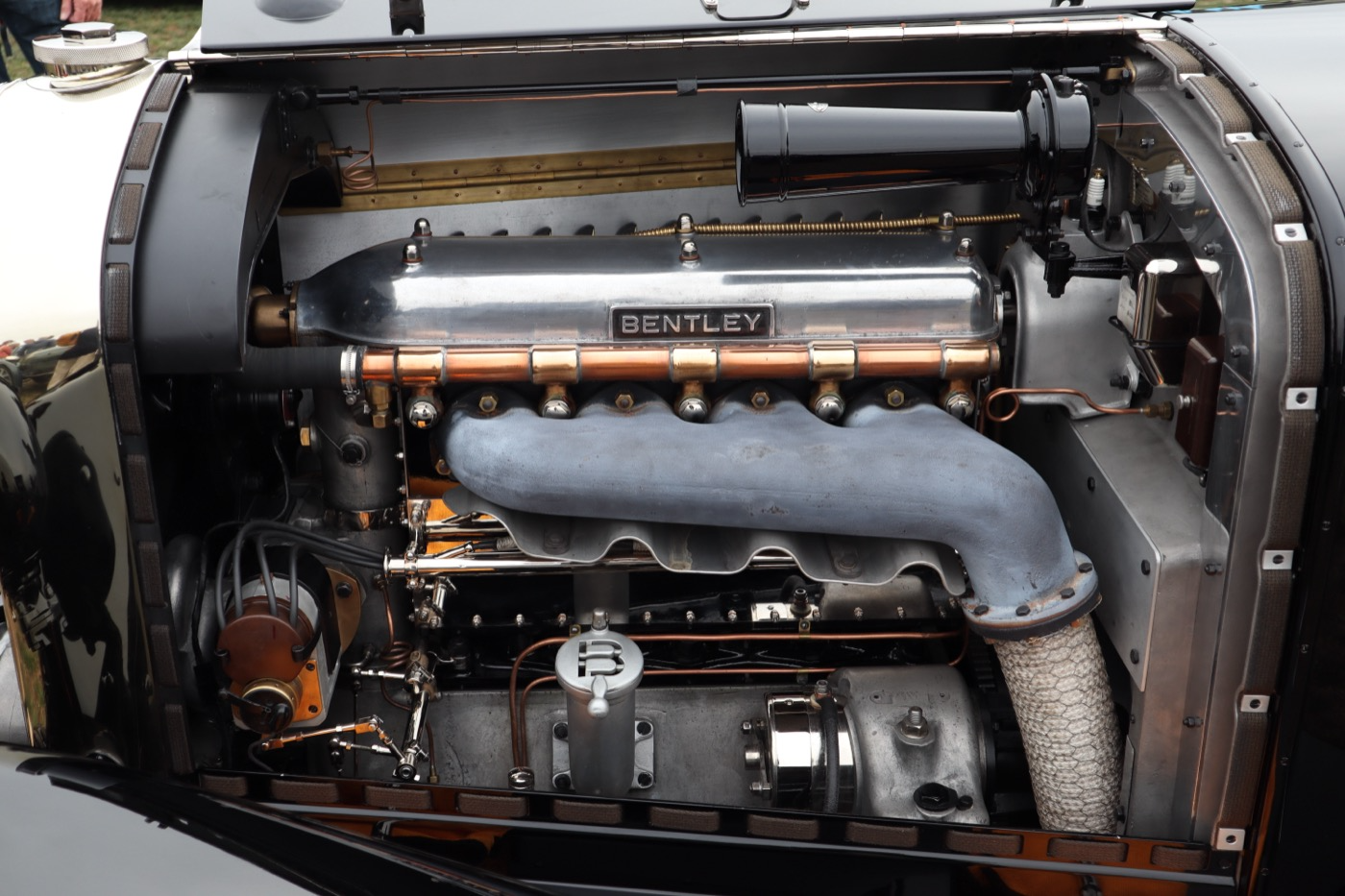
Imagine you are buying a Bentley. You love the badge; the badge is why you want the car. Would you transfer the money without opening the bonnet? Of course not. At that price, the badge is a reason to inspect the engine more carefully, not less.
Liverpool changed hands at the valuation of roughly twenty-two thousand Bentleys. How many people opened the bonnet? Football does this half-way. The financial due diligence on a club is by now thorough and professional, with lawyers, auditors and data rooms, but the footballing due diligence — whether the machine that produces players, performance and resale value actually works — is still widely neglected.
So what is under the hood of a football club? The trophies and the shirt sales? No, it is the machinery beneath them: the capacity to keep producing value rather than buying it, the room the club has been given to grow, the way decisions actually get made, the money that must go in before anything comes out, and the people who hold the whole thing together.
The cost of the unopened bonnet has a recent number. In June 2024, Newcastle sold their own academy graduate Elliot Anderson for £35m, without a sell-on clause, to meet a financial-rules deadline before it closed. Last month he moved to Manchester City for £116m, which means roughly £81m of value that Newcastle created in-house was realised on someone else’s balance sheet — one line item, at one club, in one transfer window. This is alarming.
What is good for the children…
For twenty years we have argued that what is good for the children is, in the end, good for the wallet and the football community. A club that values players properly, protects them, prepares the environment for them to grow and builds a pathway they can actually walk, owns the one asset a buyer cannot acquire in a transfer window.
This is where the preschools come back in. The insight Bezos has already funded at scale is Montessori’s: a child in a well-prepared environment compounds for decades. A football academy is the same thesis wearing football boots. He has, in effect, bought a second Montessori position, only this one came with a stadium attached, and nobody wrote the educational philosophy into the deal memo.
Before signing
Is £5.5bn wrong? Nobody knows, and that is the point. It may even prove conservative: the £305m paid for Newcastle in 2021 now reads like a clerical error. The argument here is narrower: if you pay a billion above the independent assessment, you are buying something that is not in the accounts and not in the growth story everyone can already see, so you should be able to name it, and someone should have inspected it, just like you would before buying the Bentley.
So why did Jeff Bezos buy a business that loses money? My honest answer: I don’t know, and neither do the analysts. That is precisely what the £1.3bn gap means. But I know what I would tell him, from one believer in prepared environments to another. You have already proven you understand how humans grow. Apply that same standard to the football club you just bought a share of, open the bonnet, and the question in this title answers itself.
If you carry responsibility for a club, a federation or an investment asking these same questions — about what a football organisation is actually worth and whether the engine underneath it works — this is the work we do every day with clubs, federations and investors. A confidential conversation starts through our contact page.
ONEFORTHEGAME
← Back to Blogs