1 September 2026 · By Ruben Jongkind
Why did Brentford close their academy, and then build one of the best in England?
A ONEFORTHEGAME perspective on Category One, ten years after the meeting
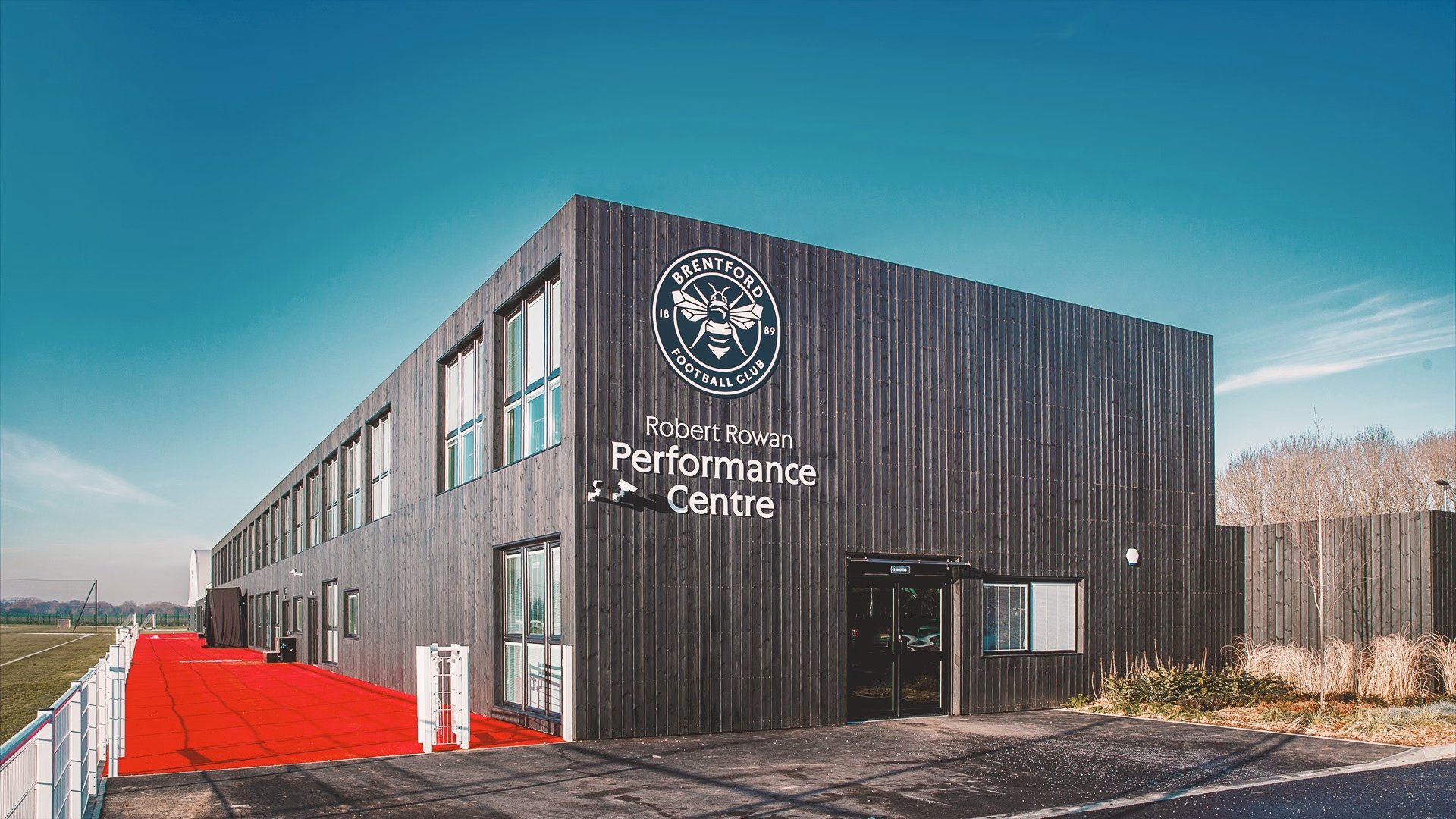
On 20 April 2026, Brentford were awarded Category One academy status, the highest tier in English football. They had reopened the academy four years earlier at Category Four, the lowest tier, and as recently as June 2024 they were still in it. Nobody has climbed the Elite Player Performance Plan (EPPP) that quickly since it was introduced ahead of the 2012/13 season. From this season they play in Premier League 2 and the Under-18 Premier League, with a games programme running from the Under-9s up.
Ten years ago the same club shut its academy down.
The meeting
In May 2016, the parents of Brentford's academy players were called to a meeting and told that the academy was closing with immediate effect, every age group from Under-8 to Under-21. The decision followed an internal review by the two co-directors of football, Phil Giles and Rasmus Ankersen. The club withdrew from the Elite Player Performance Plan altogether and replaced eleven age groups with a B team of players aged seventeen to twenty-one.
The Category Two academy was costing somewhere close to £2m a year, and the return on that spending was being set by the rule that a bigger club can sign a boy from a smaller club's academy for a relatively very small compensation fee. In the same month the closure was announced, Josh Bohui went to Manchester United. Two months later, Ian Carlo Poveda went to Manchester City. Brentford received £30,000 for each of them, because that is what the EPPP stipulated they receive.
Thirty thousand pounds. That is the price the English game had put on ten years of a child's development.
Put yourself in the board room
You sit on that board in May 2016. You are running a Championship club with no significant television money. Your academy costs £2m a year, your best boys are being bought by clubs up the road for £30,000 each, and a B team would cost you a little over half as much while giving your seventeen-year-olds regular football against senior opponents.
What do you do?
I know what I would have done, because I would have argued against it, and I would have probably lost the argument. Everyone in that room could see that developing children from your own community was the right thing to do but that the rules had made it a poor use of the club's money, and both of those things were true at once. That is the condition most clubs in Europe are actually living in.
Then something happened that should trouble anyone who argues for youth development the way we believe in it. It worked. Brentford ran a B team instead of an academy, spent the savings elsewhere, and were promoted to the Premier League in 2021. They reached the richest league in the world without a functioning academy at all. If you want to claim that academies are necessary for success, Brentford spent five years proving you wrong, and I am not going to pretend otherwise.
What actually changed
So why reopen it? The academy came back at the start of the 2022/23 season at Category Four, and the club has been climbing ever since. Sporting director Phil Giles has been direct about the reason: new UEFA rules requiring clubs to run an academy in order to compete in Europe were a big driver.
| Date | What happened | Status |
|---|---|---|
| May 2016 | Academy closed, U8 to U21. B team introduced. | Withdrawn from EPPP |
| 2021 | Promoted to the Premier League with no academy. | B team only |
| 2022/23 | Academy reopened. | Category Four |
| June 2024 | Still in the bottom tier two years after reopening. | Category Four |
| 20 April 2026 | Awarded top-tier status after the PGAAC audit. | Category One |
I want to be fair to Brentford here, because they come out of this story better than almost anyone. A lot of clubs would have reopened a Category Four academy, ticked the UEFA box and left it there. Brentford went from the bottom tier to the top in four years, faster than any club has managed since the EPPP began. Their academy director, David Rainford, says Category One brings both increased opportunity and responsibility.
Three things to fix
The compensation rules are the easiest. When a fourteen-year-old moves from a small academy to a large one, the receiving club should pay a fee that reflects what the training was worth rather than a formula that produces £30,000. Get that number right and half the clubs currently doing Brentford's 2016 sum will get a different answer. This is a stroke of a pen at league level, and it is the single highest-return change available in English football.
The category economics are harder. The EPPP ranks academies from Four to One and attaches cost to each rung, so a smaller club faces a choice between spending like a big club or being farmed by them. A structure that rewards a club for the players it actually develops and the minutes it actually gives them, rather than for the size of its building, would change that.
The culture is hardest, as always. Ten years is longer than most sporting directors last, longer than most owners hold a club, and considerably longer than most head coaches survive. An academy is a promise made by people who will not be there to collect on it. Until boards are willing to be judged on decisions whose results arrive after they have gone, every academy in Europe sits one bad season away from becoming a cost line again.
What is good for the children…
For twenty years we have said that what is good for the children is, in the end, good for the football community. Brentford is the cleanest proof we have seen that this is not a sentiment, because Brentford ran the experiment in both directions and published the reasoning each time. When the rules made children worth £30,000, a well-run club closed its academy. When promotion and a UEFA licence made them worth more, the same well-run club built the fastest-improving academy in the country.
So think again about that room in May 2016, and about the parents in it being told that the thing their sons had spent years walking into four evenings a week was finishing that day. Somebody, several years earlier and several buildings away, had written a formula that valued their children at £30,000, and the meeting was simply the sound of that formula arriving.
If you own a club, sit on its board, or are considering buying one, the question is not whether you believe in youth development. It is what an academy is genuinely worth to your club, and what it would take to make it worth more. That is the work we do every day with clubs, federations and investors, and it needs the willingness and determination of owners and decision-makers. A confidential conversation starts through our contact page.
ONEFORTHEGAME
← Back to Blogs